First Generation
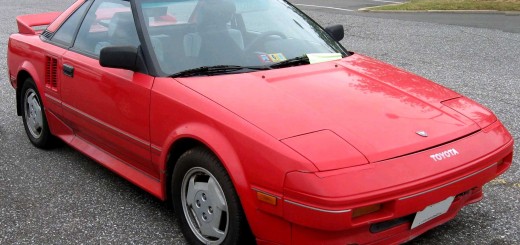
The small and light MR2, chassis code AW11, was something no one had expected from Toyota, known for their economical and practical cars. The two-seat MR2 was definitely not practical as a family car, but the design criteria were different from that of most previous cars. Cars with a similar design and the same concept were the Lancia Beta Montecarlo, Fiat X 1/9 and the exotic Lancia Stratos, all produced in the 70s. The most important features of the AW11 were its light body (as low as 2,200 lb (998 kg) in Japan and 2,350 lb (1066 kg) in the US), superior handling and lightly powered, small-displacement engine. Toyota’s cooperation with Lotus during the prototype phase can be seen in the AW11, and it owes much to Lotus’s legendary sports cars of the 1960s and 1970s.
As a powerplant, Toyota chose to use the naturally aspirated 4A-GE 1587 cc I4 engine with Double overhead camshafts, which allowed the use of 16 valves for a better gas flow through the combustion chamber. The engine was also equipped with DENSO electronic multi-point fuel injection and a variable intake geometry (T-VIS), giving the engine a maximum power output of 128 hp (95 kW). US engines were rated at 112 hp (84 kW), European engines at 124 hp (93 kW), Australian engines at 118 hp (88 kW) and Japanese engines at 130hp (97 kW). The engine had already been introduced earlier on the Toyota AE86, gathering a lot of positive publicity. There was also a JDM model AW10 which used the more economical 1452 cc 3A-U engine, but it didn’t gain too much popularity. Some versions were also fitted with automatic climate control.
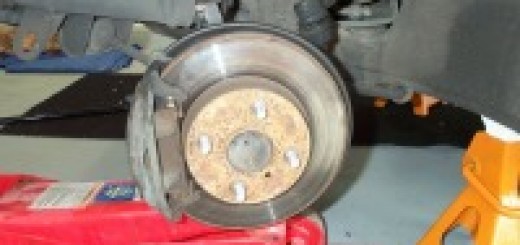
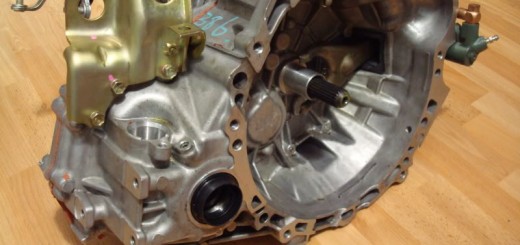
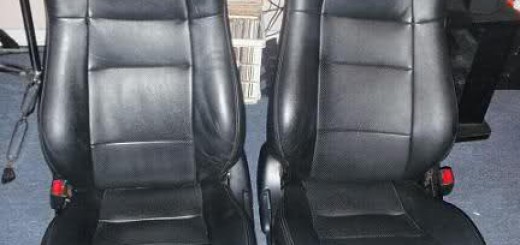
For the 1986 model year, the AW11 went through several changes which affected both its looks and performance. The most important addition was probably having the option of a removable t-top, not available in the US and Europe until the next model year. The exterior was modified by color-keying the bumpers and side stripes and adding small side skirts. Other new options included a leather interior and a four-speed automatic transmission. Some further changes were made to the exterior for 1987, such as new tail lights and wheels, but more notable were the addition of larger brakes and a heavier and stronger C52 transmission which replaced the older C50. The significance of the introduction of this newer transmission is readily apparent today, as the C50 is known to develop a fifth gear popout problem as it ages.
Also noteworthy is the lack of a rear anti-sway bar after 1985 (although the 1989 supercharged model was equipped with one again). Models with the rear bar are considered more valuable to those who enjoy racing. Toyota reportedly continued manufacturing strut towers with the proper rear sway bar mounting tabs until well into the 1986 and possibly 1987 model years, but no actual numbers or cut-off dates are available.
In 1987 (1988 for the US market), Toyota introduced a supercharged engine for the MR2. Based on the same block and head, the 4A-GZE was equipped with a Toyota SC-12 roots-type supercharger manufactured by the Ogura industrial Corp and a Denso top mount intercooler. The compression ratio, valve timing and ports were modified. The engine produced a maximum power of 145 hp (108 kW) and accelerated the small car from 0 to 100 km/h (0 to 62 mph) in 6.7 to 7.0s. In addition to the new engine, the MR2 SC was also equipped with stiffer stabilizer bars and reinforcements in the bodyshell to improve rigidity. Unfortunately, this model was never sold in European markets, although some cars were privately imported.
The press received the AW11 with open arms and praised its innovation, great feeling, and responsive engine. American car magazines Road & Track and Car and Driver both chose the AW11 on their lists of ten best cars which included some tough competition, such as the Ferrari Testarossa. The Australian Wheels magazine chose the 1988 AW11 as its favourite sports car. The MR2 was Motor Trend‘s Import Car of the Year for 1985. In 2004, Sports Car International named the MR2 number eight on the list of Top Sports Cars of the 1980s. The MR2 was on Car and Driver magazine’s Ten Best list for 1986 and 1987. This vehicle was often referred to as a “Pocket Rocket”. Silver models were often called “The Silver Bullet”.
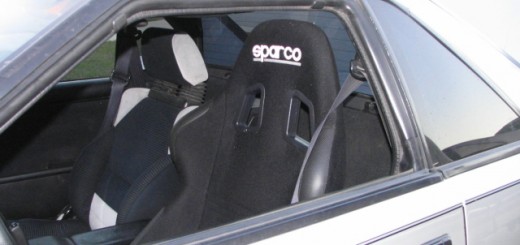
In January 1989 Toyota produced a final run of fully optioned AW11′s with the name “Super Edition”. The ‘Super Edition’ included all the extras of the G-Limited models along with extra features including MOMO commissioned steering wheel and gear knob, Recaro brand ‘Milano’ Seats with matching door panels and special paint (Midnight Blue) along with revised decals (SUPER EDITION replacing SUPER CHARGER). The cars also featured electric retracting mirrors and slightly modified rear light clusters.
Only 270 Super Edition MK1s where made before production ceased in December 1989 to make way for the new revised model (the ‘MK2’). The Super Editions were intended for the Japanese Domestic Market only, but may have found their way to enthusiasts in other countries such as the UK.
View the original content on Wikipedia